Hand, Earth, and Mountain: Making Across the Alps–Adriatic
Join us as we journey through the Alps–Adriatic Materials Atlas: Wool, Stone, Clay, and Wood in Regional Craft, meeting shepherds, quarry workers, potters, and carpenters whose skills map landscapes and histories. Expect practical wisdom, heartfelt stories, and ways to participate, learn, and support living traditions across valleys, plateaus, coasts, and high passes.

Paths Written in Wool

Seasonal transhumance still threads ridgelines with bells and soft footfalls, selecting sturdy fiber that shrugs off alpine rain. Along meadows above Tolmin and valleys near Villach, grazing patterns color fleece, while cooperative shearing days braid neighbors together, stories swapped beside steaming kettles. Each fleece carries routes, weather, and songs, then travels downward, gathering dyes, hands, and purpose across borders that sheep never learned to fear.

Stone Beneath Every Step

Karst limestone breaks sunlight into pale blues and creams, guiding walls along vine rows and shepherd tracks. In the Bora wind, terraces hold soil like careful palms, learned from grandparents who learned from theirs. Quarry shards become thresholds; larger blocks anchor squares where markets bloom. Trace strata with fingertips and you can find ancient seas, small fossils, and a practical patience that builders use to endure winters.

Clay and Wood in Quiet Conversation

Along rivers, potters scoop sediment that remembers floods, while nearby carpenters season beams under eaves where swallows nest. Racks of bowls dry by stacked planks, and sometimes a wooden paddle leaves a friendly mark inside a glazed cup. Tools pass between workshops, repairs swap for meals, and the shared rhythm of drying, curing, and cooling ties workshops into weather, calendars, migrations, and neighborhood celebrations.

Wool: Fleece, Felt, and Warp

Mountain flocks grow fibers with spring resilience and autumn depth, excellent for felting, weaving, and warm stuffing. Cooperative mills near passes revive older machinery, turning coarse fleeces into blankets, slippers, and insulation while paying fair prices for small lots. Natural dyes from walnut hulls, onion skins, and madder enrich palettes without harsh chemistry. When knitters gather in village rooms, patterns travel faster than trains, translating weather, pasture, and kinship into wearable memory.

Stone: Quarries, Walls, and Memory

Stonework here respects weather and water. In karst villages, cistern lids are carved with dates and initials; in mountain towns, steps polish under decades of market days. The UNESCO-recognized art of dry stone walling lives in terraces that keep vines rooted and paths open. When storms break, walls absorb force, then offer steadying lines again. Each tool mark is a diary entry, quiet yet legible to careful hands.

Listening to the Quarry Face

A good cut begins long before steel touches rock. Masons read fractures, dampness, even lichen growth, then choose modest blocks that travel easily by handcart. Waste becomes steps or edging. Singing helps rhythm; advice echoes between ledges. On certain mornings, light reveals a seam that carves like butter, and work proceeds with gratitude, because safe, clean breaks mean fewer injuries, kinder costs, and material that truly lasts.

Walls That Guide Wind and Vines

Dry stone terraces sip wind slowly, protecting grapes and olives from sudden gusts that tumble down from saddles. Gaps let lizards bask and rainwater sink, while capstones deter goats with playful ideas. Families return each spring to lift fallen faces, learning again how to balance heart-sized rocks. By harvest time, walls have done quiet work, tasting salt from sea breezes and shrugging snow without mortar’s brittle worries.

Clay: Rivers, Fire, and Table

Claywork here travels from stream edges to shared meals. Potters knead earth that once bedded trout, then build shapes meant to cradle soups, stews, and celebration breads. Wood-fired kilns scent nights with resin and smoke, while neighbors bring snacks and help stack. Glaze tests, slips, and patiently cooling bricks turn experiments into dependable forms. When a bowl chips, gold or careful patches reveal affection rather than shame.

Gathering and Preparing Local Clay

After spring floods, deposits settle in quiet bends, silky to the touch and speckled with memory. Makers wedge patiently, aligning platelets until the body feels elastic and brave. Sieves sing; stones clink aside into buckets for garden paths. Children stamp puddles, learning slip between toes. By evening, wrapped blocks rest like bread dough, ready for palms that know how much persuasion each shape asks before agreeing.

Kilns, Flames, and Patient Nights

Firing schedules balance weather, wood species, and neighbors’ sleep. Pine wakes the chamber; beech and oak deepen heat; fruit prunings add sweet notes to ash glazes. Stoking teaches humility as cones bend and kiln gods ignore exact plans. Dawn finds soot-kissed faces, thermals cooling, and a hush like snowfall. Unbricking becomes a ceremony, revealing blushes, crazing, and perfectly sealed rims ready for kitchens across valleys.
Wood: Forest Care, Shelter, and Tools

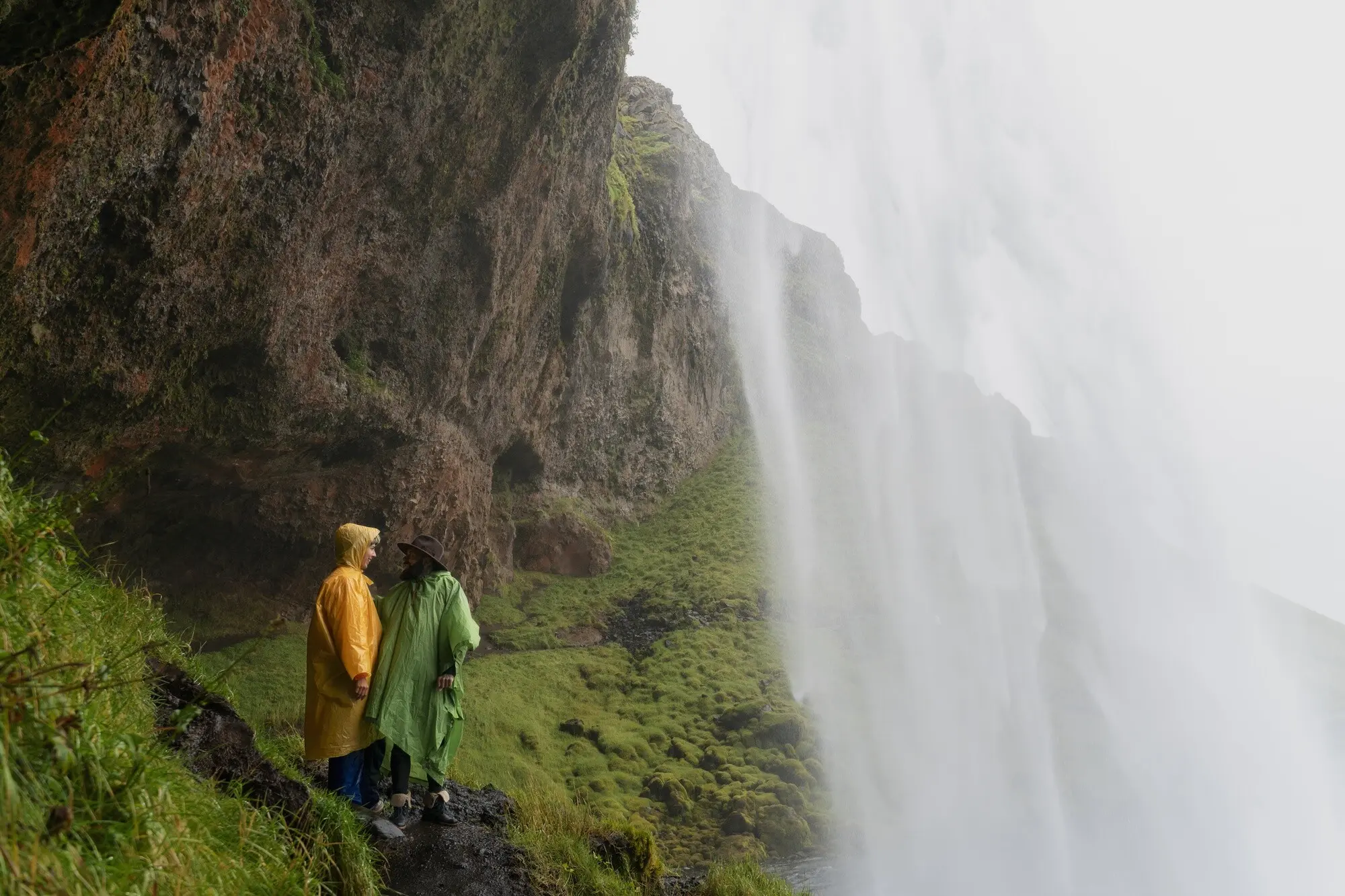
Alpine and coastal forests offer spruce for soundboards, larch for weathered facades, and beech for honest tools. Foresters mark selective cuts that keep hillsides shaded and springs clean; storms and beetles demand mixed plantings and community watchfulness. In workshops, joinery locks without envy or squeaks, ready for snow loads and Bora gusts. A well-made rake or balcony speaks softly, yet strengthens everyday resilience, trade, and welcome.

Learning Pathways and Shared Benches

Cross-border programs pair city students with valley masters, swapping fast internet for steady hands. A week on a shearing crew or in a quarry reveals muscles you forgot and friendships you will not. Scholarships cover travel; local kitchens handle the rest. Participants leave with practical skills and a humble pride, then carry respectful curiosity home, where they teach neighbors to spot good joints, honest wool, and safe walls.

A Living Map You Can Walk

QR markers at trailheads and village squares link to makers who welcome visits by appointment, ensuring workdays stay productive yet porous. The map updates with seasons, highlighting lambing time, kiln openings, terrace workshops, and sawmill tours. Photographers contribute textures; historians annotate legends; hikers add accessibility notes. Your footsteps stitch data to place, proving that cartography becomes hospitality when it guides people toward care, skill, and reciprocity.

Participate: Care, Buy Wisely, and Share
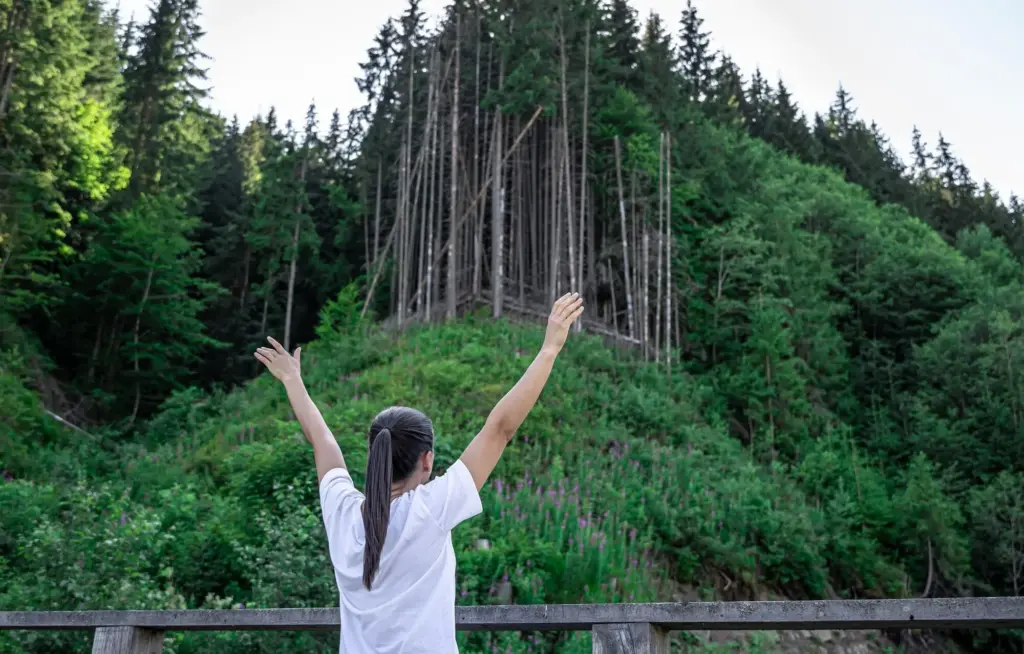
Support begins with questions: who made this, from where, under which weather, and at what pace. Choose wool filled with real lanolin scent, stone with honest heft, clay that sings, and wood finished for repair. Pay deposits that respect time. Bring children to terrace days. Photograph elders’ hands with permission. Comment below with your favorite workshop memories, subscribe for field notes, and invite friends to join next time.
Dexolaxiravozeramirapento
Privacy Overview

This website uses cookies so that we can provide you with the best user experience possible. Cookie information is stored in your browser and performs functions such as recognising you when you return to our website and helping our team to understand which sections of the website you find most interesting and useful.